3D Pink Rose Digital Paper: A Strategic Asset for Brand Identity and Creative Production
In the competitive landscape of digital design and physical product creation, the choice of background texture often dictates the perceived value of the final output. The 3D Pink Rose Digital Paper is not merely a decorative element; it is a high-fidelity asset designed to elevate visual communication across multiple mediums. For entrepreneurs, marketers, and creators aged 20 to 50, understanding how to leverage this specific resource can significantly impact branding consistency, customer engagement, and operational efficiency. This guide explores the strategic application of this digital paper, moving beyond simple aesthetics to focus on intentional design decisions that yield measurable results.
The Technical Foundation of High-Impact Design
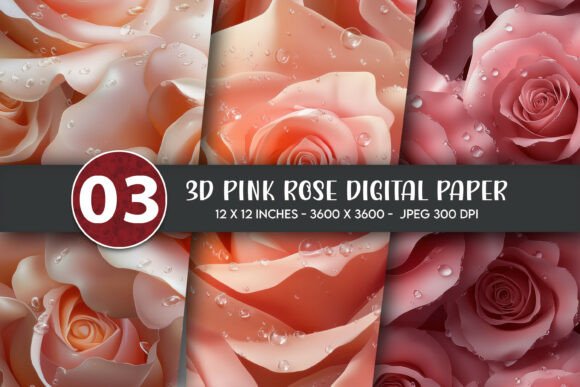
Before integrating any graphic asset into a production workflow, one must evaluate its technical specifications against the intended use case. The 3D Pink Rose Digital Paper package delivers four JPG files, each rendered at a resolution of 3600x3600 pixels with a density of 300 DPI. These metrics are critical for professionals who require print-ready assets without the risk of pixelation or blurriness.
A resolution of 300 DPI ensures that when this digital paper is applied to large-format wall decor, posters, or fabric prints like t-shirts and onesies, the intricate details of the rose texture remain crisp. In contrast, lower-resolution assets often degrade under professional printing conditions, leading to a loss of brand credibility. By securing a file size of 3600x3600 pixels, you gain the flexibility to crop, scale, and manipulate the image while maintaining quality. This technical robustness allows for a unified visual identity whether the asset is viewed on a smartphone screen as a sticker design or held in hand as a greeting card.
Strategic Applications Across Product Verticals
The versatility of the 3D Pink Rose Digital Paper lies in its ability to adapt to various product categories while maintaining a cohesive aesthetic. However, successful implementation requires a strategic approach to where and how the asset is deployed.
Physical Merchandise and Apparel
For small business owners and freelancers in the apparel sector, texture plays a pivotal role in perceived quality. When designing t-shirts, tote bags, or baby onesies, the depth provided by the 3D effect creates a tactile illusion that flat graphics cannot achieve. This is particularly effective for brands targeting demographics that value softness, elegance, or romantic themes. The pink rose motif serves as a strong emotional anchor, communicating warmth and sophistication. To maximize impact, consider using the digital paper as a full-background wrap for tote bags or as a central focal point for throw pillows, ensuring the pattern aligns with the structural seams of the product.
Home Decor and Wall Art
Wall decor represents a significant opportunity for scaling digital products into physical goods. The 3D Pink Rose Digital Paper is suitable for creating premium wall art and posters that transform living spaces. Unlike generic stock photos, a dedicated digital paper offers a seamless pattern that can be tiled or repeated without obvious breaks. This makes it ideal for large-scale murals or framed prints. When planning a home decor collection, ensure the color palette of the surrounding room complements the pink tones to avoid visual clutter. The high-resolution nature of the file ensures that even when printed on canvas or thick cardstock, the texture retains its three-dimensional quality.
Print-on-Demand and Greeting Cards
For publishers and stationery designers, the utility of this asset extends to mugs, stickers, and greeting cards. In the greeting card market, the "unboxing" experience is paramount. Using a high-quality 3D texture immediately signals that the product is handmade or thoughtfully curated. Similarly, for mug designs, the wrapping capability of the 3600x3600 pixel canvas allows for continuous patterns that flow around the cylinder of the cup, avoiding awkward cuts in the design.
Aligning Assets with Brand Positioning
Using the 3D Pink Rose Digital Paper effectively requires more than just downloading the file; it demands alignment with your broader brand strategy. A design asset should support your positioning goals, whether that is establishing luxury, fostering community, or driving seasonal sales.
If your brand operates in the wellness, beauty, or lifestyle sectors, the organic, floral nature of this digital paper reinforces values of growth, care, and natural beauty. It acts as a visual shorthand for these concepts, reducing the cognitive load on the consumer to understand your brand message. Conversely, if your brand focuses on industrial minimalism or stark modernism, introducing a 3D pink rose texture may create dissonance. Therefore, decision-makers must assess whether the asset enhances their narrative or distracts from it.
Furthermore, consistency is key to long-term brand recognition. If you choose to integrate this digital paper into your marketing materials, consider using it across touchpoints—from social media posts to packaging inserts. This repetition builds familiarity. However, do not rely on the asset alone. Pair it with strong typography and clear messaging to ensure the design communicates a specific call to action or value proposition.
Risks of Unintentional Usage
While the 3D Pink Rose Digital Paper offers high potential, there are risks associated with its deployment without a clear plan. One common pitfall is over-saturation. Because the texture is rich and detailed, using it as a background for text-heavy documents or complex infographics can reduce readability. The human eye struggles to parse information against busy backgrounds, which can lead to poor user experience and reduced conversion rates.
Another risk involves the assumption that "digital download" equates to "instant success." These files are tools, not solutions. Without a strategy for how they fit into your product line, they may become unused inventory in your digital folder. Additionally, failing to respect the licensing terms or the limitations of the format (such as trying to edit a JPG as if it were a vector file) can lead to wasted time and compromised quality. Always remember that these are digital downloads; no physical items will be shipped. The value lies entirely in your ability to execute the production process efficiently.
Planning for Long-Term Value
To derive maximum value from the 3D Pink Rose Digital Paper, adopt a forward-thinking approach to your creative operations. Start by auditing your current product line to identify gaps where a floral or textured aesthetic could fill a void. Are you missing a spring collection? Do you need to refresh your holiday greeting card lineup? Mapping out these needs before purchasing or utilizing the asset ensures that every file contributes to a revenue-generating project.
Create a style guide that defines how this digital paper interacts with other brand elements. Specify font pairings, color accents, and usage ratios. For example, you might decide that the 3D pink rose texture is reserved for premium product lines, distinguishing them from standard offerings. This tiered approach helps in pricing strategy and customer segmentation.
Finally, consider the scalability of your designs. Since the files are high-resolution, you can experiment with different sizes and formats without needing to re-purchase assets. This flexibility supports agile marketing strategies, allowing you to pivot quickly to new trends or seasonal demands. By treating the 3D Pink Rose Digital Paper as a core component of your design ecosystem rather than a one-off decoration, you build a foundation for sustained creativity and operational excellence.
Decision-Making Framework for Implementation
When deciding to incorporate this asset into your workflow, ask yourself the following strategic questions:
- Does this texture align with my target audience's preferences? Validate that the pink rose aesthetic resonates with your specific demographic before committing to a full production run.
- Is the resolution sufficient for my largest intended print size? With 3600x3600 pixels and 300 DPI, you are well-covered for most applications, but verify the dimensions required for oversized wall art.
- How will this asset differentiate my product from competitors? Ensure the design adds unique value rather than mimicking generic trends.
- What is the production timeline? Factor in the time needed for mockups, testing, and fulfillment to ensure timely delivery.
By answering these questions, you move from reactive design choices to proactive brand building. The 3D Pink Rose Digital Paper serves as a powerful catalyst for this process, offering the technical quality and aesthetic appeal necessary to stand out in a crowded marketplace. Used with intention and strategic foresight, it becomes more than just a file—it becomes an integral part of your business's visual language and success story.