New Mexico 3D Shadow Box: A Layered Paper Art Template
The intersection of digital design and tactile craftsmanship has produced a compelling category of creative assets, among which the New Mexico 3D Shadow Box stands out as a sophisticated option for makers and decorators. This specific template, often marketed under the moniker "The Land of Enchantment," offers a structured approach to creating depth in two-dimensional paper art. Unlike standard flat prints or single-layer cutouts, this project relies on a multi-tiered construction method that transforms simple sheets of paper into a scene with perceived volume and atmospheric perspective. For professionals in the crafting industry, educators looking for engaging projects, or hobbyists seeking a challenge beyond basic card making, understanding the mechanics and potential of this template is essential before committing time and materials.
Technical Specifications and File Versatility
The utility of any digital craft asset begins with its file format compatibility. The New Mexico 3D Shadow Box template is distributed across five distinct formats: AI (Adobe Illustrator), EPS, PNG, SVG, and JPEG. Each serves a specific function within a creator's workflow. The vector-based files—AI, EPS, and SVG—are the core components for production. These formats ensure that the intricate lines defining the landscape remain crisp regardless of scaling. The SVG file, in particular, is critical for modern cutting machines like Silhouette Cameo or Cricut Explore. It allows the software to interpret paths accurately, enabling precise cuts without the jagged edges often seen in rasterized images.
The inclusion of high-resolution raster files like the 3000 x 2000 px JPEG provides a clear visual reference for the final assembly, while the 714 x 714 px PNG and other vector sizes offer flexibility for digital previews or smaller print runs. The standard dimensions provided are 714 pixels per side for the square layout, translating to a physical size of approximately 20.32 cm by 20.32 cm (8 inches by 8 inches) when printed at standard resolution. However, the true strength of the vector formats lies in their scalability. Users can resize the New Mexico 3D Shadow Box to fit larger frames or smaller displays, provided the aspect ratio remains constant. Maintaining this ratio is non-negotiable; distorting the proportions would break the alignment of the eight layers, causing the optical illusion of depth to fail.
Structural Composition and Layering Logic
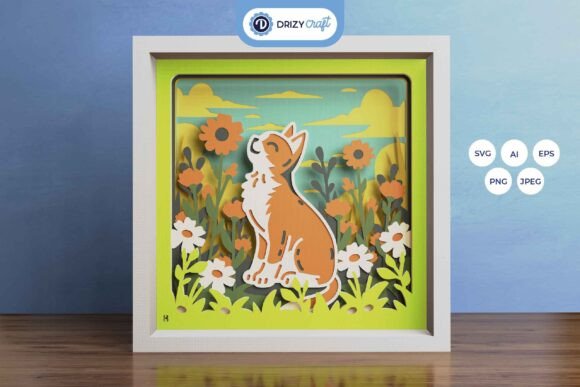
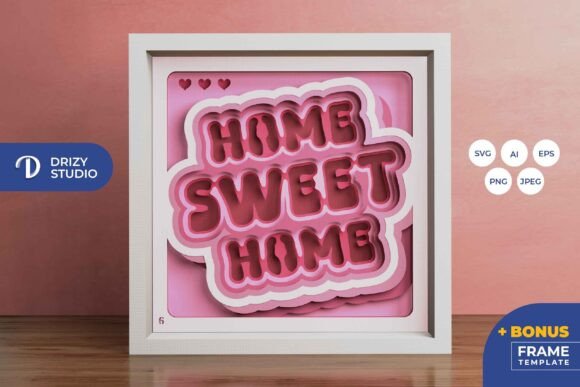
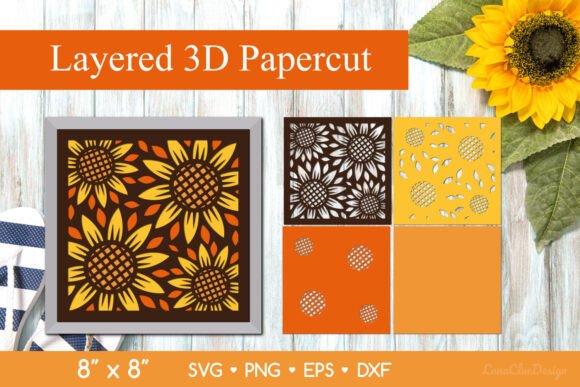
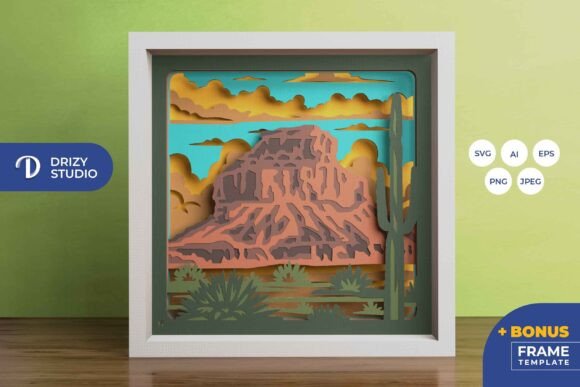
At the heart of this design is an eight-layer structure. In shadow box art, layering is not merely decorative; it is the mechanism that creates the three-dimensional effect. The New Mexico 3D Shadow Box utilizes a progressive depth strategy where foreground elements are closest to the viewer, and background elements recede toward the back of the frame. This separation requires careful planning during the assembly phase. The template is designed so that each layer acts as a stencil or a support for the next, creating negative space that allows light to pass through or simply reveals the colors of the underlying layers.
For those accustomed to flat papercraft, the transition to an eight-layer build introduces a new set of variables. The thickness of the paper becomes a significant factor. If the paper is too thick, the cumulative height of eight layers may exceed the depth of standard shadow boxes or lightboxes. Conversely, if the paper is too thin, it may lack the rigidity needed to stand upright between supports. The design assumes a balance here, typically working best with cardstock ranging from 65 lb to 110 lb. The square format of the New Mexico 3D Shadow Box simplifies framing options, as square mats and frames are widely available, but it also demands precision in alignment. Even a millimeter of misalignment between layers can disrupt the visual continuity of the landscape, particularly in scenes depicting iconic New Mexico features like mesas or adobe structures.
Production Methods: Machines vs. Manual Cutting
While the SVG file integration makes this template ideal for electronic cutting machines, the product description explicitly acknowledges manual execution. Using an art knife and scissors is entirely viable, though it shifts the project from a quick afternoon task to a marathon of patience and steady hands. For professionals who do not own a Cricut or Silhouette, this accessibility is a major selling point. However, manual cutting requires a higher degree of skill to maintain the integrity of fine details. Vector files are forgiving because the machine follows the path exactly; human hands are prone to deviation.
When using a cutting machine, the primary advantage is consistency. If a user intends to produce multiple units of the New Mexico 3D Shadow Box for sale or gifting, the machine ensures that every layer is identical. This uniformity is crucial for mass production. Manual cutting introduces variability, which might be charming for one-of-a-kind pieces but problematic for commercial batches. Regardless of the method, the assembly process remains the same: gluing or taping layers together. Double-sided tape is often preferred over liquid glue for this application, as it dries instantly and prevents warping of the paper, which can occur with wet adhesives. The choice of adhesive affects the final presentation, so testing a small section before full assembly is a recommended practice.
Illumination and Display Options
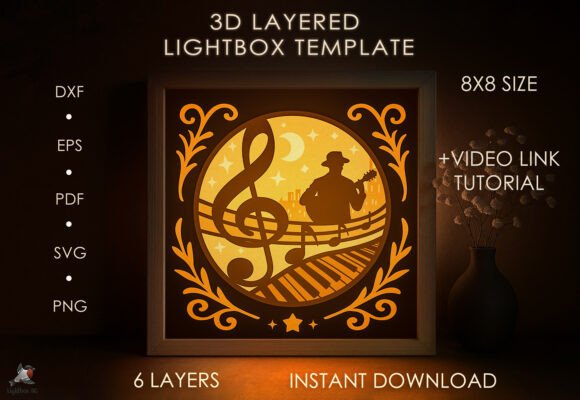
The versatility of the New Mexico 3D Shadow Box extends beyond static wall decoration. One of the most effective ways to utilize this template is by converting it into a lightbox. By inserting LED strips between specific layers or behind the rearmost layer, the translucent nature of the paper is highlighted. Light passing through the cutouts creates dramatic shadows and highlights, enhancing the perception of depth. This technique is particularly effective for evening display, turning a room corner into a focal point.
However, lighting introduces thermal considerations. While LEDs generate minimal heat compared to incandescent bulbs, prolonged exposure can still affect certain types of paper or adhesives. When designing a lightbox version, it is advisable to use heat-resistant materials and ensure adequate ventilation within the frame. Furthermore, the color of the paper interacts significantly with the light source. Warm white LEDs will accentuate earth tones common in New Mexico landscapes, while cool white might alter the intended mood. Creators should test their chosen paper stock under the intended lighting conditions before finalizing the assembly, as the preview images provided with the download may not perfectly replicate the final result due to varying screen calibrations and ambient lighting.
Target Audience and Practical Applications
This template appeals to a diverse demographic, including small business owners selling handmade goods, educators teaching geometry and art history, and serious hobbyists. For entrepreneurs, the New Mexico 3D Shadow Box represents a scalable product with relatively low material costs but high perceived value. The finished piece commands a premium price point compared to flat prints, making it a viable inventory item for Etsy shops or local craft fairs. The thematic relevance to New Mexico makes it a strong candidate for regional tourism gifts or corporate souvenirs for businesses based in the Southwest.
Educators can leverage the project to teach concepts of scale, perspective, and layering. The eight-layer requirement forces students to think sequentially and spatially, skills that transfer well to other STEM and artistic disciplines. For the individual hobbyist, the project offers a satisfying challenge that results in a tangible, display-worthy object. It bridges the gap between digital design and physical creation, allowing users to engage with technology while enjoying the meditative process of hand assembly.
Limitations and Realistic Expectations
Despite its strengths, the New Mexico 3D Shadow Box is not without limitations. The reliance on precise layering means that errors in cutting or assembly are difficult to correct once the glue sets. Unlike a painting where mistakes can be painted over, a misplaced cut in a shadow box layer often necessitates starting that layer over. Additionally, the visual impact is highly dependent on the quality of the paper and the frame. A flimsy frame or low-quality paper can undermine the professional look of the design.
Users must also account for the time investment. An eight-layer project involves cutting eight separate pieces, cleaning up weeding debris, and carefully aligning each tier. This is not a rapid craft. Furthermore, the note regarding color variance is critical. The digital preview is a simulation; the actual hues depend entirely on the inkjet or laser printer used and the specific brand of paper selected. What appears vibrant on a monitor may appear muted on matte cardstock. Successful execution requires a willingness to experiment with materials to achieve the desired aesthetic.
Final Assessment
The New Mexico 3D Shadow Box template is a robust tool for creators who value depth, detail, and structural complexity in their work. Its multi-format availability ensures compatibility with both high-tech workflows and traditional manual methods. While it demands precision and patience, the resulting artwork offers a level of sophistication that flat designs cannot match. Whether utilized as a framed wall piece, an illuminated lightbox, or a gift for someone special, the template provides a reliable foundation for creating memorable, three-dimensional art. For those willing to invest the time in mastering the layering process, the New Mexico 3D Shadow Box delivers a rewarding outcome that blends the beauty of the Land of Enchantment with the artistry of paper engineering.