Camper Sunset 3D Layered Wall Art: A Practical Guide for Creators and Makers
The intersection of digital design and physical craftsmanship has created a new standard for home decor and custom merchandise. At the forefront of this trend is Camper Sunset 3D Layered Wall Art, a design concept that transforms flat vector files into tangible, depth-rich installations. For professionals managing small businesses, hobbyists refining their craft, or entrepreneurs launching product lines, understanding how to integrate these specific assets into a workflow is essential. This guide explores the practical application of these designs, focusing on file compatibility, production processes, and strategic implementation across various creative sectors.
Understanding the Asset Structure and File Formats
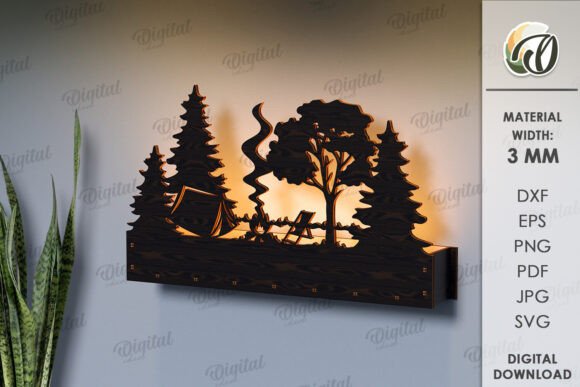
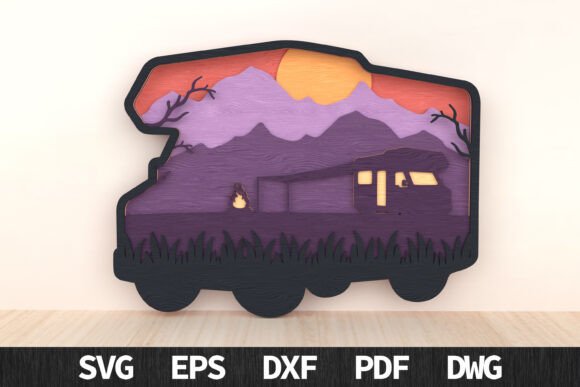
Before any cutting, printing, or assembly begins, the foundation of a successful project lies in the quality and versatility of the source files. When you acquire Camper Sunset 3D Layered Wall Art, you are not simply purchasing an image; you are receiving a comprehensive toolkit designed for scalability and precision. The package typically arrives as a zip folder containing unique designs in multiple industry-standard formats: SVG, DXF, EPS, PDF, and DWG.
This variety is critical for operational efficiency. Different machines and software environments require specific inputs to function correctly. An SVG (Scalable Vector Graphics) file is often the go-to choice for consumer-grade cutting machines like Cricut or Silhouette Cameo due to its browser-friendly structure and ease of manipulation in design software. Conversely, DXF and DWG files are staples in the professional manufacturing world, frequently used with CNC routers and laser cutters that demand high-precision coordinate data. EPS files serve as a robust bridge between illustration software like Adobe Illustrator and various print workflows, ensuring that curves remain smooth regardless of scale.
Having access to all these formats within a single download eliminates the need for time-consuming file conversions, which can sometimes introduce errors or degrade line quality. By starting with the correct native format for your specific hardware, you streamline the pre-production phase, reducing setup time and minimizing the risk of material waste.
Integrating Designs into Creative Workflows
The true value of Camper Sunset 3D Layered Wall Art becomes apparent when it is integrated into a broader creative process. Whether you are a freelancer fulfilling custom orders or a business owner scaling a product line, these assets fit into distinct stages of project management: planning, execution, and finalization.
Pre-Production Planning and Visualization
In the planning stage, the layered nature of the design allows for detailed visualization. Unlike a single-layer silhouette, a 3D layered piece requires careful consideration of color palettes, material thickness, and stacking order. Designers can import the SVG or EPS files into graphic software to simulate different layer combinations before committing to expensive materials. This step is vital for clients who need mockups to approve a design before production begins. It also helps in calculating material costs accurately by determining exactly how much wood, acrylic, or cardstock is required for each layer.
Execution: Cutting and Assembly
During the execution phase, the compatibility of the provided files ensures a smooth transition from screen to machine. For those using vinyl cutters, the clean vectors of the Camper Sunset design allow for precise weeding and application. For woodworkers using laser cutters, the nested layers in the DXF or DWG files can be arranged automatically to maximize sheet utilization, a key factor in maintaining profitability.
The "3D" aspect implies a multi-step assembly process. Once individual layers are cut, they must be stacked and adhered. This is where the design's versatility shines. You might use foam tape for a subtle lift or wooden spacers for a dramatic shadow effect. The ability to adjust the spacing between layers allows creators to customize the depth of the artwork, tailoring the final product to specific aesthetic requirements or client preferences.
Post-Production and Quality Control
After assembly, the focus shifts to finishing touches and quality assurance. Because the design is layered, edge finishing becomes important. Sanding edges on wood layers or sealing acrylic cuts ensures a premium look. The clear vector paths provided in the original files help maintain consistency across multiple units, which is crucial for batch production. If you are creating a series of matching pieces, such as a set of three camper sunset scenes, the standardized file structure guarantees that every unit matches perfectly in dimensions and detail.
Expanding Use Cases Beyond Wall Decor
While the primary association with Camper Sunset 3D Layered Wall Art is interior decoration, the underlying vector geometry offers endless possibilities for diversification. The same design elements can be adapted for textiles, packaging, and stationery, allowing creators to expand their market reach without investing in new design resources.
- Textile Personalization: By simplifying the layers or converting them into heat-transfer vinyl (HTV) patterns, these designs can be applied to t-shirts, tote bags, and hats. The rugged, outdoor theme of a camper sunset resonates well with lifestyle brands targeting travelers and outdoor enthusiasts.
- Custom Stationery and Paper Goods: The intricate details of the sunset and camper silhouettes translate beautifully to greeting cards, scrapbooking elements, and planner stickers. Using the PDF or EPS versions ensures high-resolution printing for professional-grade paper products.
- Packaging and Branding: Small business owners can utilize these graphics for product packaging, turning shipping boxes into branded experiences. A sticker featuring the camper sunset design adds a cohesive touch to e-commerce shipments, reinforcing brand identity.
- Educational and DIY Kits: Educators and workshop leaders can package these files as part of STEM or art kits. Students learn about layering, spatial reasoning, and digital fabrication by assembling their own wall art under guidance.
Strategic Implementation for Business and Hobbyists
For entrepreneurs and freelancers, the efficiency of using pre-made, high-quality vector packs cannot be overstated. Time is a finite resource, and outsourcing the initial design phase to a professional asset pack allows you to focus on what you do best: production, marketing, and customer service. The Camper Sunset 3D Layered Wall Art serves as a reliable template that reduces the barrier to entry for creating complex-looking products.
However, successful integration requires organization. Upon downloading the zip folder, it is advisable to immediately organize the files into a structured directory system. Separate the SVGs for cutting machines, keep the DXFs for CNC work, and archive the PDFs for print references. This organizational habit prevents confusion during rush orders and ensures that you always have the correct file version at hand.
Furthermore, consider the long-term utility of these assets. As trends shift, the ability to remix existing designs becomes valuable. You can combine the camper element with other seasonal icons, change the gradient colors of the sunset to match current interior design trends, or alter the background shapes to create entirely new compositions. This adaptability extends the lifespan of the purchase, providing a return on investment far beyond the initial creation of a single piece of art.
Ensuring Consistency and Quality
Maintaining high standards is the difference between a hobbyist project and a professional product. When working with layered art, consistency in alignment is paramount. Even a millimeter of misalignment between layers can detract from the visual impact. Utilizing jigs or registration marks derived from the design files can help automate the assembly process, ensuring that every piece produced meets the same rigorous standards.
Material selection also plays a significant role in the final outcome. The Camper Sunset design features gradients and fine lines that may react differently depending on the substrate. Testing the design on sample materials before full-scale production is a necessary step in the workflow. This trial run helps identify potential issues with adhesion, cutting speed, or color fidelity, allowing for adjustments before significant resources are committed.
Conclusion
The Camper Sunset 3D Layered Wall Art represents more than just a decorative motif; it is a versatile tool for modern makers and business owners. By leveraging the diverse file formats included in the package, creators can seamlessly navigate from digital planning to physical production. Whether used for crafting intimate home decor, designing scalable merchandise, or streamlining a professional workflow, these assets offer the flexibility needed to bring imaginative concepts to life. With proper preparation, organization, and attention to detail, the creative potential of these designs remains limitless, empowering users to produce high-quality, impactful work efficiently.