3D Book Gift Boxes Bundle Laser Cut: A Practical Guide for Creators and Makers
In the realm of digital crafting and small business production, the transition from concept to physical object often hinges on the quality of the design files available. The 3D Book Gift Boxes Bundle Laser Cut represents a specific category of digital assets designed to streamline this process. For professionals ranging from freelance designers to boutique gift shop owners, understanding how to integrate these files into a broader workflow is essential for efficiency and quality control. This guide explores the practical application of these designs, focusing on preparation, execution, and the seamless integration of digital downloads into tangible products.
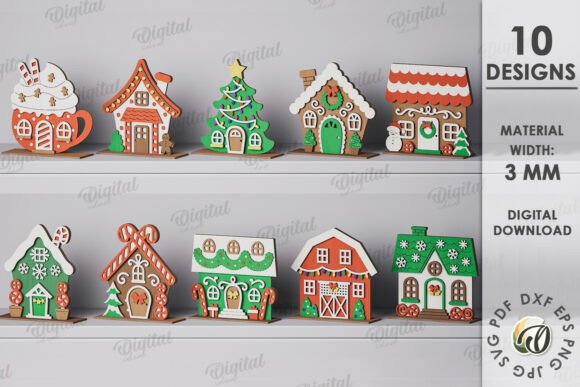
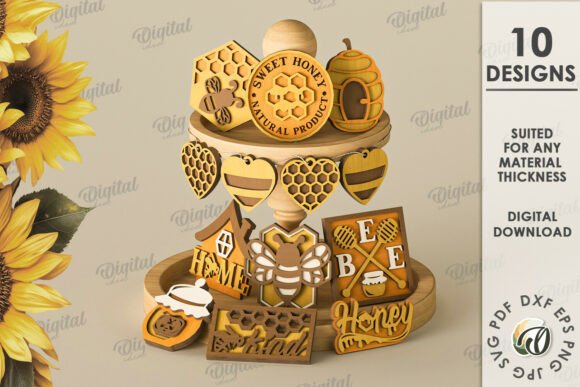
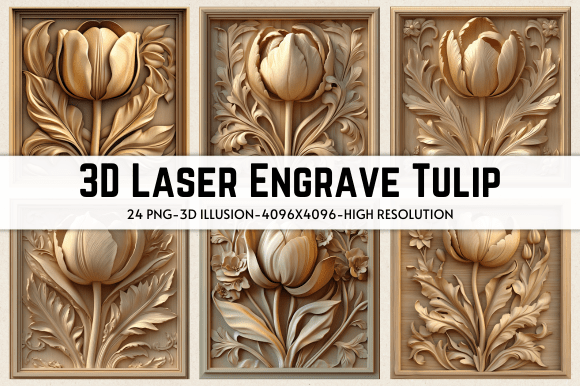
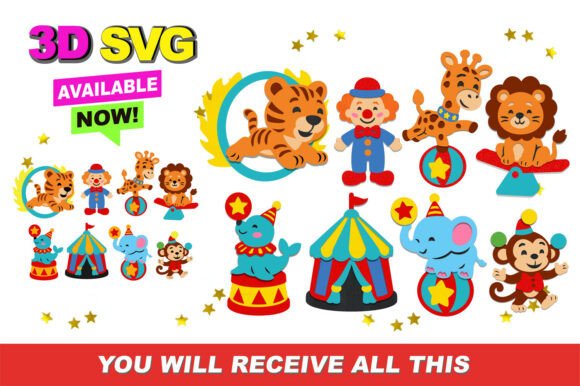
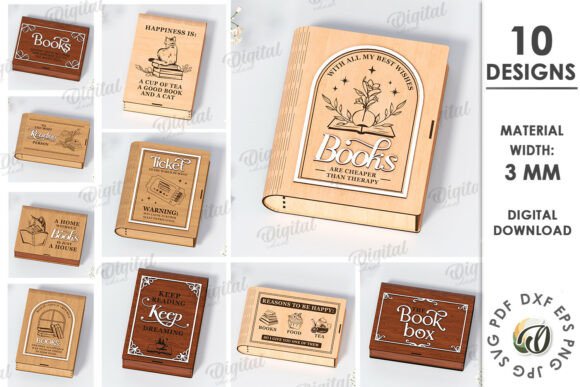
It is crucial to establish a clear understanding of the product nature before beginning any project. The 3D Book Gift Boxes Bundle Laser Cut is strictly a digital product. No physical goods will be sent upon purchase. The images typically displayed in online stores serve as inspiration only, demonstrating the potential outcome when the files are processed correctly. Upon purchase, you receive a zip folder containing ten distinct designs in multiple file formats, including SVG, DXF, EPS, PDF, JPEG, and PNG. This variety ensures compatibility with various software ecosystems and laser cutting machines, allowing creators to choose the format that best suits their specific technical environment.
Understanding the Digital Asset Ecosystem
The value of the 3D Book Gift Boxes Bundle Laser Cut lies not just in the visual appeal of the final box, but in the versatility of the file formats provided. In a professional workflow, different stages of production require different file types. For instance, vector formats like SVG and DXF are non-negotiable for laser cutting operations because they define precise paths for the machine to follow. Raster formats such as JPEG or PNG are less useful for the cutting phase but can be invaluable for marketing materials, social media previews, or client presentations where high-resolution imagery is needed without the complexity of vector data.
When integrating these files into your planning phase, consider the software stack you currently utilize. If you operate within an Adobe ecosystem, the EPS and PDF files offer immediate compatibility with Illustrator or Acrobat for further customization. Conversely, if your workflow relies on open-source tools or specific CAM (Computer-Aided Manufacturing) software, the DXF and SVG files provide the necessary geometric precision. The inclusion of ten unique designs within a single bundle allows for batch processing, which is a significant time-saver for entrepreneurs managing inventory or fulfilling multiple orders simultaneously.
Preparation and Material Selection
Successful implementation of the 3D Book Gift Boxes Bundle Laser Cut begins long before the laser is activated. Proper material selection is the most critical factor in ensuring structural integrity and aesthetic finish. The specifications for this project indicate that a material width of 3mm is required. This thickness is a standard choice for cardstock, chipboard, or thin plywood, offering a balance between rigidity and ease of folding.
Before purchasing materials, it is advisable to conduct a test run. Even with precise digital files, variations in material density, grain direction (in the case of wood), or fiber orientation (in paper products) can affect how the laser interacts with the surface. A 3mm board provides enough depth to create a convincing three-dimensional book spine effect while remaining manageable for assembly. When sourcing materials, ensure the supplier provides consistent thickness; a variance of even 0.5mm can result in gaps during assembly or difficulty in fitting components together.
Organization is another key aspect of the preparation phase. Since the download comes as a zip folder containing multiple formats, creating a structured directory system is recommended. Separate folders for "Source Files," "Test Cuts," "Final Production," and "Marketing Assets" can prevent version control issues. This organizational discipline becomes increasingly important as your catalog grows or if you plan to scale production for events, retail seasons, or corporate gifting campaigns.
Workflow Integration and Execution
The actual execution phase involves translating the digital vectors into physical cuts. The 3D Book Gift Boxes Bundle Laser Cut files are designed to be imported directly into laser cutting software. Once imported, the next step is nesting. Nesting refers to arranging the cut paths on the virtual work area to maximize material usage. Given that each design consists of multiple interlocking parts, efficient nesting reduces waste and lowers the cost per unit.
During the cutting process, attention must be paid to power and speed settings. These settings are highly dependent on the specific laser machine model and the type of material being used. While the design files provide the geometry, the operator must determine the optimal parameters to achieve clean edges without burning the material. For 3mm cardstock, lower power and higher speed are often effective, whereas 3mm wood may require a slower pass with moderate power to penetrate fully. It is prudent to keep a log of successful settings for future reference, creating a personal library of parameters that enhances consistency across batches.
Post-processing is where the true craftsmanship shines. After the laser completes its path, the pieces must be removed from the material bed. Careful handling is required to avoid bending or warping the delicate flaps. Assembly usually involves folding along scored lines and inserting tabs into slots. Because the 3D Book Gift Boxes Bundle Laser Cut designs rely on precision, forcing a piece that does not fit smoothly can compromise the structural integrity of the final box. If a joint feels tight, check for burrs or charred residue from the laser and gently sand or trim as necessary.
Strategic Applications for Business and Creativity
The utility of these boxes extends beyond simple packaging. They represent a versatile solution for creating original designs for homes, offices, or retail environments. For educators, these boxes can serve as interactive learning tools, housing reading materials or craft supplies in an engaging format. Marketers and bloggers might use them as premium unboxing experiences for product reviews or promotional giveaways, adding a tactile element that elevates brand perception.
Small business owners can leverage the ten included designs to create a cohesive collection. By producing a series of boxes in varying colors or materials, a seller can offer customization options to clients. For example, a wedding planner might use one design for favors, while a corporate trainer uses another for training manuals. The ability to switch between designs quickly allows for agility in responding to market demands or seasonal trends.
Furthermore, these assets interact well with other creative resources. They can be combined with custom printed inserts, ribbons, or internal dividers to create complex storage solutions. The flat-pack nature of the laser-cut parts makes shipping easy, reducing overhead costs for e-commerce businesses. Instead of storing bulky pre-assembled boxes, inventory can be kept as flat sheets, assembled only when an order is placed. This just-in-time manufacturing approach minimizes storage requirements and financial risk.
Quality Control and Long-Term Viability
Maintaining high standards requires a commitment to quality control at every stage. Before mass-producing a batch based on the 3D Book Gift Boxes Bundle Laser Cut, always produce a prototype. Inspect the prototype for alignment, ease of assembly, and overall durability. Check that the "book" elements stand upright and that the lid fits securely. Any discrepancies found during this stage should be addressed by adjusting the laser settings or refining the nesting layout rather than proceeding with a full run.
Long-term use of these digital assets also depends on file management. Ensure that the original downloaded files are backed up in multiple locations. Software updates or hardware changes over time might necessitate re-importing files, and having the source vectors in safekeeping prevents loss of progress. Additionally, staying updated on material trends can extend the life of the designs. As new types of sustainable or specialty papers become available, the same design files can be applied to these new substrates, keeping the product line fresh and relevant.
For those encountering difficulties during the process, communication is key. If questions arise regarding file compatibility or assembly techniques, reaching out to the creator or community forums can provide valuable insights. The digital nature of the product means that support can be tailored to specific technical challenges, helping users troubleshoot issues related to their specific laser equipment or software versions.
Conclusion on Implementation
The 3D Book Gift Boxes Bundle Laser Cut offers more than just a set of templates; it provides a framework for efficient, scalable, and creative production. By understanding the nuances of file formats, material requirements, and workflow integration, creators can transform these digital assets into high-quality physical products. Whether for personal projects, educational tools, or commercial ventures, the possibilities for creation are indeed endless. With proper planning and execution, these bundles become a cornerstone of a productive and profitable making practice.